Source house slippers for hotels, homes, and indoor events
Explore 30 listings for house slippers featuring materials like PVC, plush, and linen with options for customization. Buyers can compare specifications such as sole material, season suitability, and packaging details from suppliers in China.
Key considerations
Products List


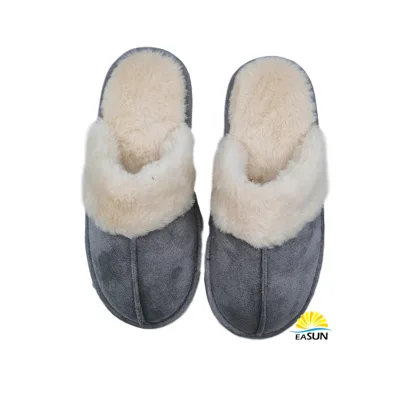
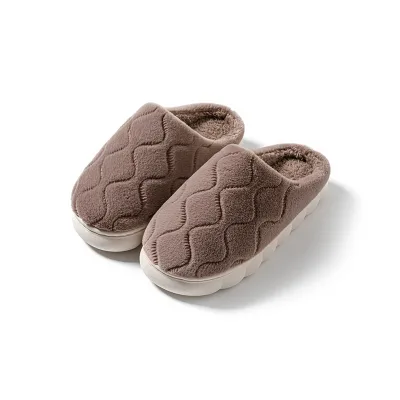
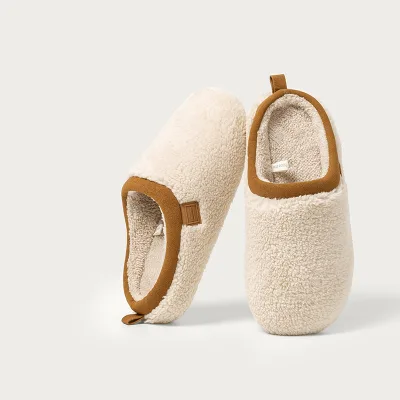
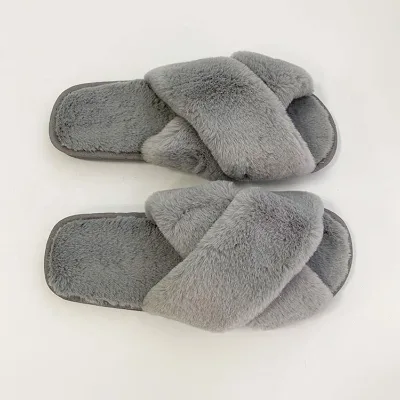
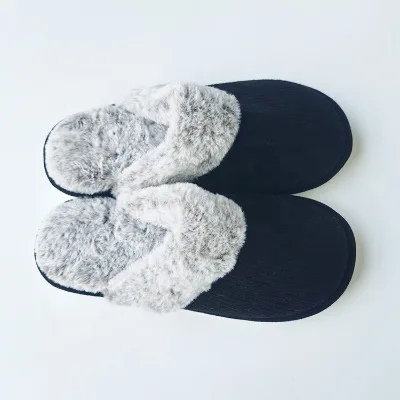

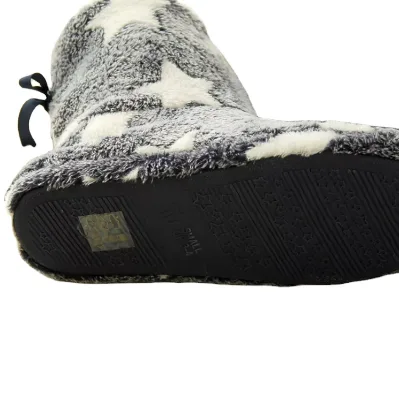


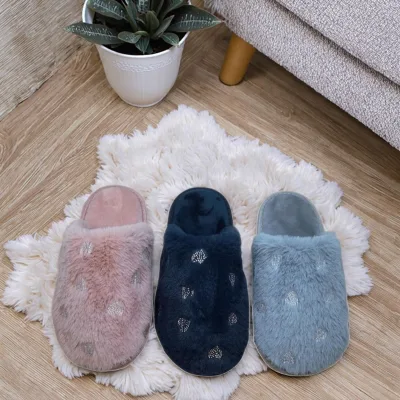
Comprehensive Sourcing Guide
Strategic Sourcing Guide for House Slippers in the B2B Market
Procuring house slippers for wholesale distribution or corporate gifting requires a nuanced understanding of material science, production capabilities, and supply chain logistics. The market for indoor footwear is diverse, ranging from disposable options for hospitality to durable, handcrafted models for retail. This guide synthesizes available product attributes and industry standards to provide a structured approach for buyers. The focus remains on evidence-based decision-making, ensuring that procurement strategies align with verified product characteristics rather than unconfirmed market assumptions.
Technical Specifications and Material Variability
The foundation of a successful sourcing strategy lies in the precise definition of technical specifications. House slippers are not a monolithic category; they vary significantly based on the intended use case, seasonal requirements, and construction methods. Buyers must evaluate the upper material, sole composition, and lining options to match their specific market needs.
Analysis of current product data reveals distinct material profiles. Some models utilize PVC for the upper, offering a specific aesthetic and durability profile, while others employ Linen or Plush to provide breathability and softness. The sole material is equally critical; EVA (Ethylene-Vinyl Acetate) is a frequently observed choice, noted for its lightweight properties and cushioning. In contrast, some listings indicate Plush as a primary material, suggesting a focus on warmth and texture over structural rigidity.
The construction method is another pivotal specification. The market includes both Hand Made and Not Handmade variants. Hand-made products often command a premium due to the labor intensity involved, whereas non-handmade items typically offer higher consistency and faster production cycles. Additionally, the Disposable attribute presents a unique segment. Products marked as disposable are designed for single-use scenarios, such as hotel amenities, whereas Non-Disposable items are engineered for longevity and repeated washing.
| Specification Category | Observed Attributes | Typical Application Context |
|---|---|---|
| Upper Material | PVC, Linen, Plush, Patent Leather | Durable retail, luxury hospitality, casual wear |
| Sole Material | EVA | General indoor use, lightweight comfort |
| Lining Material | Pu, Plush, Mesh, Cotton Fabric | Temperature regulation, moisture management |
| Construction | Hand Made, Not Handmade | Artisanal markets vs. mass production |
| Lifespan | Disposable, Non-Disposable | One-time guest use vs. personal ownership |
Buyers must verify these attributes against their specific requirements. For instance, a hotel chain requiring disposable slippers for guests will need to prioritize the Disposable attribute and EVA soles for hygiene and cost-efficiency. Conversely, a retail brand targeting winter comfort might prioritize Plush uppers, Cotton Fabric linings, and Hand Made construction to ensure warmth and perceived value.
Seasonal Adaptability and Functional Design
Seasonality plays a decisive role in the design and material selection of house slippers. The product data indicates a clear segmentation between Spring/Autumn, Winter, and Summer collections. This differentiation is not merely marketing but reflects functional necessities regarding insulation and breathability.
Winter models are characterized by the use of insulating materials such as Plush and Cotton Fabric linings. These products are designed to retain heat and provide comfort in colder indoor environments. In contrast, Summer variants often feature PVC uppers or Mesh linings, prioritizing airflow and resistance to moisture. Some product lines offer a Four-Season capability, utilizing versatile materials like Linen or Patent Leather that can adapt to varying indoor temperatures.
Design elements further refine the functional profile. The Toe Style is predominantly Round, a design choice that maximizes comfort and allows for natural foot movement. The Close Pattern is often described as Foot, indicating a slip-on design that accommodates various foot shapes without the need for laces or buckles. The Element of design is frequently listed as Model, suggesting that specific aesthetic codes are tied to the product model number, such as sis131 or ESISD001.
Buyers should verify the Season attribute for each SKU to ensure inventory alignment with regional climate patterns. A supplier offering a Spring/Autumn collection may not be the optimal source for a Winter-specific order unless they possess a diversified production line. Furthermore, the Waterproof attribute is a critical differentiator. Some products are explicitly marked as Not Waterproof, which limits their suitability to dry indoor environments. If a buyer requires slippers for areas prone to moisture, such as bathrooms or poolside lounges, they must explicitly seek out products with verified waterproofing capabilities, as this is not a universal standard in the current dataset.
Compliance, Standards, and Packaging Logistics
While specific certifications like FSC are mentioned in background data, buyers must exercise caution and verify the actual compliance status of any supplier. The absence of explicit certification claims in the core product attributes means that buyers should treat such claims as unverified until confirmed through direct supplier documentation. Instead, the focus should be on tangible standards and packaging specifications that impact logistics and safety.
Packaging is a critical component of the supply chain. Observed data indicates a range of packaging standards, from Export Carton to Customized solutions. Specific dimensions are often provided, such as 405045cm or 405050cm, which are essential for calculating shipping volumes and container utilization. The Single package size can vary significantly, with some items listed as 2X3X4 cm, indicating highly compact individual packaging, while others utilize 1 Pair in 1 Box, 10 Boxes in 1 Carton configurations.
The Standard for product dimensions is also a key consideration. Some listings reference size ranges like EUR36-50 / US5-50, while others offer Customized sizing. This flexibility is crucial for brands targeting specific demographic groups or requiring custom sizing for corporate uniform programs. The Production Time is another logistical variable, with observed ranges of 15-20 days. Buyers must factor this lead time into their inventory planning, especially when dealing with Customized orders which may require additional time for mold creation or material sourcing.
Cost Drivers and Minimum Order Quantities
Understanding the cost structure of house slippers is vital for maintaining healthy profit margins. The observed price range in the market spans from 0.2 to 7.77 USD, a wide spectrum that reflects differences in material quality, labor intensity, and customization levels.
The Minimum Order Quantity (MOQ) is a significant cost driver. Data shows an MOQ range from 2 to 5000 units. Lower MOQs, such as 2 or 1000 PCS, are often associated with ready-made stock or smaller production runs, making them suitable for startups or test markets. Higher MOQs, potentially reaching 5000, are typically required for Customized designs or bulk orders where the supplier needs to amortize setup costs.
Customization is a primary factor influencing price. Products with Customized materials, Customized sizes, and Customized packing often command higher unit costs due to the complexity of the production process. The Design attribute, often listed as as Customer Request, implies a level of flexibility that can increase costs if it involves unique molds or specialized material sourcing. Buyers should negotiate based on the volume of customization; a simple color change may have a negligible impact on cost, whereas a complete redesign of the Upper or Sole material will significantly affect the final price.
Supplier Evaluation and Production Capabilities
Selecting the right supplier requires a rigorous evaluation of their production capabilities and geographic location. The Place of Origin for the observed products is predominantly China, with specific mentions of Shanghai, China. This concentration suggests a robust supply chain ecosystem in the region, but buyers should still verify the specific factory capabilities.
Key evaluation criteria include the Hand Made status and the Production Time. Suppliers offering Hand Made products may have lower throughput but higher quality control on individual units. Conversely, Not Handmade suppliers likely have higher capacity and faster turnaround times, suitable for large-volume orders. The Production Time of 15-20 days should be treated as a baseline; buyers must confirm if this timeline includes material sourcing, production, and quality checks, or if it is purely the manufacturing duration.
The Brand Name is another factor to consider. While some products are listed under specific brands like EASUN, many are generic. Buyers looking to build their own brand should prioritize suppliers who offer Customized branding options, including logo placement on the Upper or Sole. The Design attribute being as Customer Request is a strong indicator of a supplier's willingness to collaborate on brand identity.
Quality Control and Long-Term Procurement Strategy
Quality control in the house slipper market must address both immediate product integrity and long-term durability. For Disposable products, the focus is on hygiene and structural integrity during single use. For Non-Disposable items, the emphasis shifts to the durability of the EVA sole and the resilience of the Plush or PVC upper after repeated wear and washing.
Buyers should establish clear quality acceptance criteria based on the Material and Construction attributes. For example, Plush linings should be checked for shedding, and EVA soles should be tested for delamination. The Waterproof attribute, where applicable, requires specific testing to ensure the product meets the claimed performance.
Long-term procurement considerations involve building a relationship with suppliers who can scale. The MOQ flexibility is a key indicator of a supplier's adaptability. A supplier willing to start with a low MOQ of 2 or 1000 PCS and scale up to 5000 demonstrates a flexible production line. Additionally, the ability to offer Customized packaging and Customized sizes ensures that the supplier can grow with the buyer's brand.
Buyers should also consider the Season alignment of their orders. Ordering Winter slippers in Summer months may result in storage costs and inventory stagnation. A strategic approach involves forecasting seasonal demand and placing orders well in advance of the 15-20 days production window.
Conclusion
Sourcing house slippers effectively requires a meticulous approach to technical specifications, material selection, and supplier evaluation. The market offers a wide array of options, from Disposable EVA soled slippers for hotels to Hand Made Plush models for retail. By focusing on verified attributes such as Material, Season, and Construction, buyers can make informed decisions that align with their business goals.
The data highlights the importance of customization, with many suppliers offering Customized materials, sizes, and packaging. However, this flexibility comes with cost and lead time implications that must be carefully managed. Buyers should prioritize suppliers who demonstrate transparency in their Production Time, MOQ, and Packaging standards.
Ultimately, successful procurement in this sector depends on balancing cost, quality, and logistics. By adhering to the evidence-based guidelines presented in this guide, buyers can navigate the complexities of the house slipper market, ensuring they source products that meet their specific operational and customer needs without relying on unverified claims or assumptions. The diversity of the product attributes, from PVC to Linen and Hand Made to Not Handmade, offers ample opportunity for strategic sourcing, provided that the buyer maintains a disciplined approach to verification and quality control.
FAQs
What materials are used for house slippers?
Common upper materials include PVC, Linen, Plush, and Patent Leather. Sole materials are frequently EVA, while linings may use Pu, Mesh, or Cotton Fabric depending on the specific model and season.
Can I find disposable house slippers for hotels?
Yes, disposable options are available specifically for hotel use. These are typically not handmade and feature EVA soles, designed for single-use scenarios in indoor environments.
Which season are winter house slippers suitable for?
Winter models are designed for cold indoor conditions. They often feature Plush uppers and Cotton Fabric linings to provide warmth, distinct from summer variants that may use PVC or Mesh.
How long is the production time for custom orders?
Standard production time ranges from 15 to 20 days. This duration applies to customized orders involving specific materials, sizes, or packaging requirements as requested by the buyer.
What is the minimum order quantity for house slippers?
MOQs vary significantly from 2 to 5000 units depending on the supplier and product type. Some listings specify 1000 pieces as a baseline, while others allow smaller trial orders.
Are house slippers waterproof?
Many listed products are explicitly not waterproof. Buyers requiring moisture resistance must verify specific product attributes, as standard indoor slippers often lack this feature.
Can I request custom designs for house slippers?
Customization is available for design, material, size, and packing. Buyers can request specific models or alterations, though this may influence the minimum order quantity and unit price.